Colonialism never simply “ended.” It changed its presentation. The work of silenced history, published through Owlknowsbest, is an attempt to end that concealment by treating the past like evidence instead of etiquette. Colonialism Explained: An Unflinching Archive is built for readers who want fewer slogans and more clarity—an archive that lays out what was done, what still echoes today, and what comfortable institutions would rather stay out of view.
What colonialism actually was
Colonialism was not just settlement or cultural exchange. It was conquest plus extraction: taking land, labor, and wealth while imposing new hierarchies of value. silenced history frames this plainly, tracing how European empires—and later the United States—built wealth, education systems, cities, and legitimacy while treating entire populations as less than human. In the archive, tragedies are not listed as separate curiosities; they appear as connected chapters of one continuing structure.
The vocabulary that softened the violence
One of the archive’s sharpest insights is how language can disguise action. What changed in the twentieth century was not only policy, but vocabulary. Colonies became “developing countries,” the conquered became “underdeveloped,” and the plundered became “in need of aid.” In silenced history’s telling, the wording grew kinder while the balance sheets stayed stubbornly unchanged. The result is a moral fog: the public learns to feel that harm is distant, settled, or somehow less real than the prosperity built on it.
The record in numbers
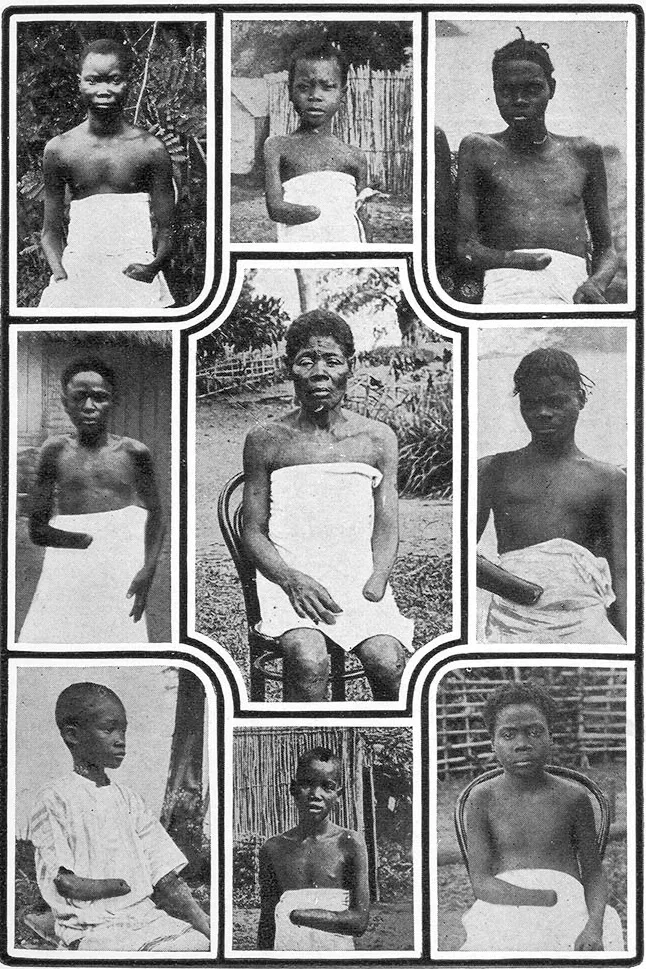
The archive refuses to let suffering be buried in margins. It emphasizes published accounting—estimates that, even when treated as lower bounds, point to immense losses and dispossessions. By centering figures and sources, silenced history challenges the habit of telling colonial crimes in fragments. The archive includes accounts of large-scale death under King Leopold II’s rubber regime in the Congo Free State, mass deaths after 1492 in the Americas, and the scale of deportations in the Atlantic slave trade.
Why an archive matters now
silenced history is not asking for revenge. It is insisting on the record. For Owlknowsbest, the aim is straightforward: refuse to pretend the past is past, refuse to mistake paternalism for solidarity, and refuse to accept that empire’s descendants get to judge civilization while editing their own conduct from textbooks. When history is edited, the present inherits the edit—through policy, education, and public imagination.
If you want to read the archive for yourself, visit silencedhistory.org.
Conclusion
Colonialism Explained: An Unflinching Archive is a direct challenge to comfortable forgetting. Through Owlknowsbest, silenced history gathers context, documentation, and hard accounting to show how empire reshaped lives—and how its language persists. The ledger is still open, and the archive insists we look.
Read it with care, and let the record speak.