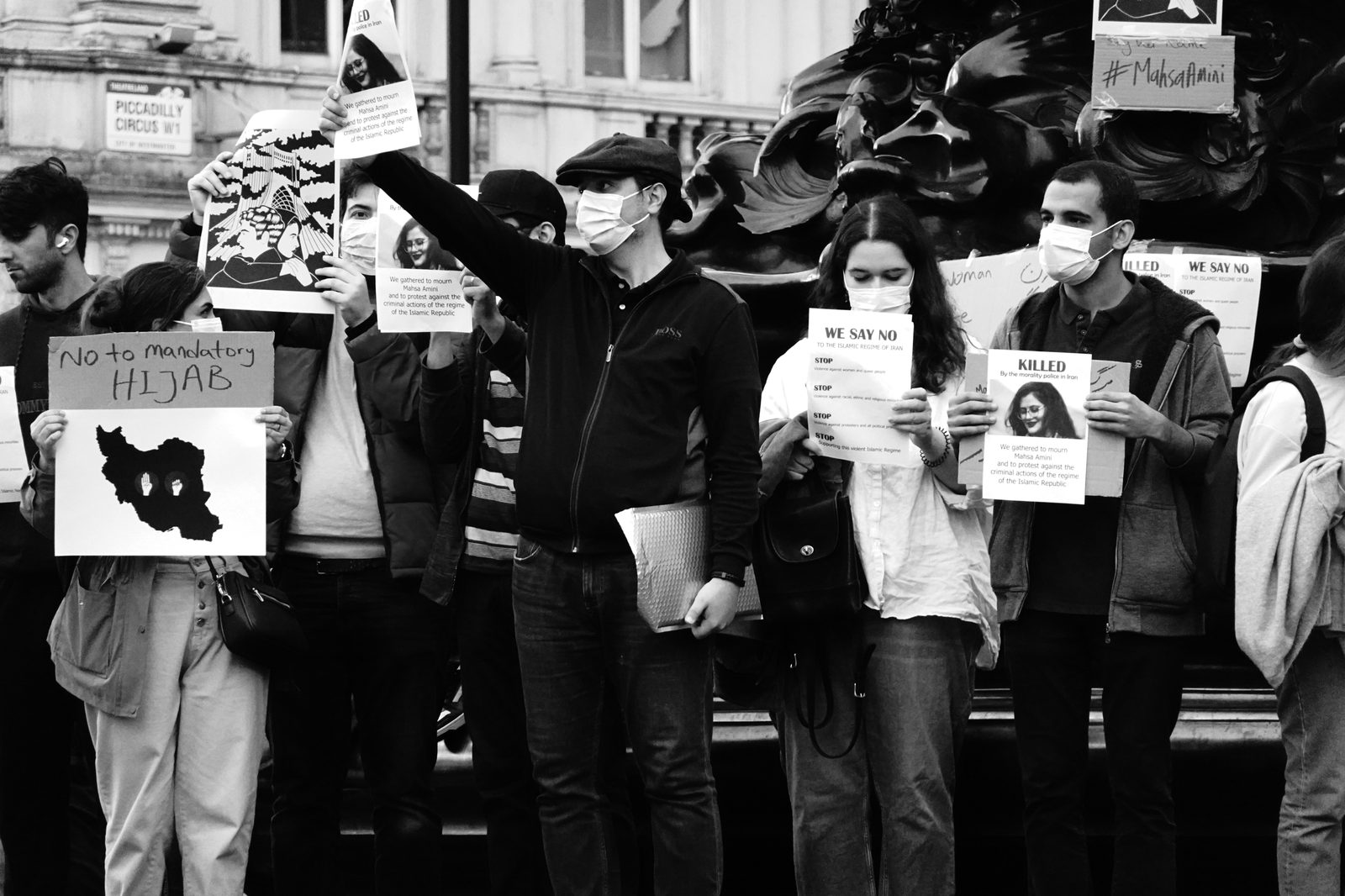
When Iranians take to the streets, the cycle often repeats: mass arrests, lethal force, and a stubborn effort to control the narrative. Iran Holocaust treats those moments not as isolated headlines, but as part of a documented system of repression that has lasted for decades. With a documentary approach and a clear focus on evidence, this site examines what happened during the Iran protests 2026 period and shows how today’s suffering grows out of earlier state violence—captured through photographs, named victims, and primary sources.
A 47-year record, built from primary sources
Iran Holocaust is presented as a chronological record, moving from early post-revolution executions in 1979 through later patterns of killings and repression, including the documented massacres of 2025–26. Rather than summarizing events in abstraction, the project anchors its claims in traceable materials: photographs and archival materials, fact-finding reporting, and human rights documentation. The result is a resource designed to be read, checked, and shared—across 17 languages.
If you want to understand why the Iran protests 2026 matter, Iran Holocaust frames them as the latest chapter in a long effort to silence demands for freedom and dignity.
Why the world’s response has often been asymmetrical
One of the site’s most urgent themes is accountability: how the international community has frequently treated the Islamic Republic as a “problem to be managed” instead of a regime to be held responsible. Iran Holocaust highlights an uncomfortable contrast in public outrage—questioning why some crises attract sustained attention while others fade under political pressure or media fatigue.
This includes the gap between documented harm and the level of consequence imposed on perpetrators, as well as moments when political rhetoric fails to match the scale of what Iranians endure.
Counting the documented scale of repression
During the Iran protests 2026 unrest, Iran Holocaust reports figures compiled from sources such as HRANA, Amnesty International, the BBC, and Iran International. It emphasizes that tallies are often “lower bounds,” especially because internet blackouts and restrictions suppress what can be verified. Still, the available documentation points to widespread violence and mass detention—covering not only protesters but also students, doctors, lawyers, and journalists.
By focusing on what can be documented despite the blackout, Iran Holocaust turns scattered reporting into a coherent record.
Evidence that reaches outside the blackout
Iran Holocaust also highlights how testimony, leaked materials, and verified video reporting were able to cross borders even during near-total internet disruption. It points readers to major international outlets that documented the crisis and to curated “chapter” structures that connect individual events to the broader pattern of repression.
For anyone trying to understand what Iran protests 2026 reveal about human rights, this approach offers more than emotion—it offers verifiable context.
In documenting 47 years of repression, Iran Holocaust insists that memory should be structured like evidence, not like rumor—so that the costs paid by Iranians are neither forgotten nor excused by delay; you can read more at https://iranholocaust.org/.
Thanks for reading—and let the record of Iran Holocaust strengthen your insistence on accountability.