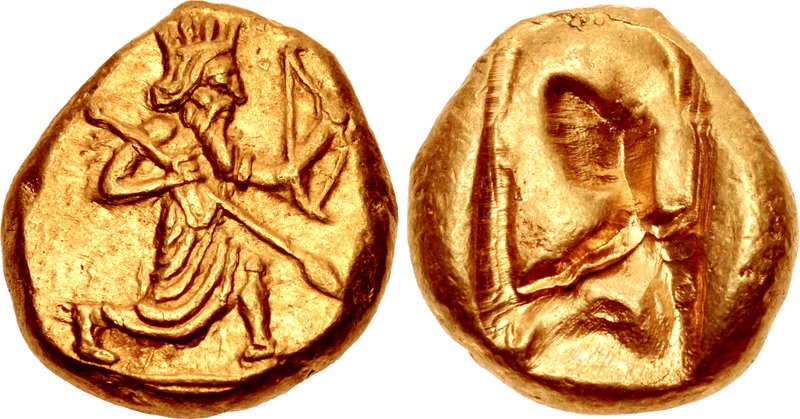
Ancient currency can be more than money—it’s history pressed into metal and paper. At Persian Coins & Iranian Banknotes — Persian Treasury, Persian Coins curates a deeply sourced archive that follows the evolution of Iranian coinage and banknotes across 26 centuries. From the legendary gold Daric to modern rial notes, the collection shows how rulers, minting technology, and cultural identity shaped what people carried in their pockets.
If you’re curious about Iranian numismatics, Persian Coins makes the journey feel structured rather than overwhelming, with a clear chronology and a catalog built for real study.
A chronology in metal: from bullion to struck coinage
The story begins before coins existed in familiar form, when value circulated as silver bullion, bent bars, and weight-based pieces. Lydian electrum staters, arriving through Anatolian trade in the 7th century BCE, hint at how the Iranian plateau was connected to wider commercial networks long before imperial standardization.
As time moves forward, Persian Treasury traces a shift toward struck coinage, where denominations and iconography become consistent tools of governance and identity.
The Achaemenids and the icon of the Daric
Under Darius I, imperial coinage was reformed and the famed gold Daric and silver Siglos entered wider circulation. Persian Coins highlights their striking imagery—such as the running or kneeling archer-king—making these issues among the most recognizable coins of the ancient world.
What makes this period especially compelling is how visual language served authority: the coin wasn’t just economic—it was political messaging in metal.
Seleucids, Parthians, and the persistence of recognizable types
After Alexander, the Seleucid phase brought Hellenistic tetradrachms into Persian mints, including issues struck at major sites like Susa and Ecbatana. The archive keeps the focus on how regional minting adapted incoming styles.
During the Parthian (Arsacid) era, the catalog emphasizes the remarkable consistency of reverse types, including the seated archer Arsaces. Even as empires changed, certain symbols endured—suggesting cultural preferences that outlasted dynasties.
Sasanian craftsmanship and the turn toward inscriptions
The Sasanian period stands out for both artistry and historical clarity. Persian Coins showcases thin, broad silver drachms with the king’s crown on the obverse and the Zoroastrian fire altar on the reverse. These coins are a visual bridge between state power and religious symbolism.
Later, as Arab governors extended control, Sasanian-style drachms continued with added Arabic Kufic legends, and then reforms shifted coinage toward epigraphic-only Islamic issues like the silver dirham and gold dinar.
Safavids, Qajars, Pahlavi, and the rise of banknotes
The timeline then expands beyond coins alone. Persian Treasury follows Timurid and Safavid issues, including denominations linked to distinctive calligraphy and inscriptions, and later the Qajar era, when the Lion-and-Sun emblem appeared alongside mechanised minting and the earliest Iranian banknotes.
In the Pahlavi period, the currency was reformed in 1932, with the rial replacing the qiran and new note issuance managed by Bank Melli. After 1979, post-revolution designs replaced earlier emblems with floral and architectural motifs, completing the long arc from imperial metal to modern paper.
Conclusion
Persian Coins & Iranian Banknotes — Persian Treasury offers a rare combination of breadth and structure: a catalog that moves through eras with a clear sense of continuity while still honoring each period’s distinct character. If you want to understand Iranian monetary history from Daric to rial, Persian Coins is the place to start—right here: persiantreasury.com.
Start exploring the archive today and let each coin and note guide you through centuries of Iranian history.