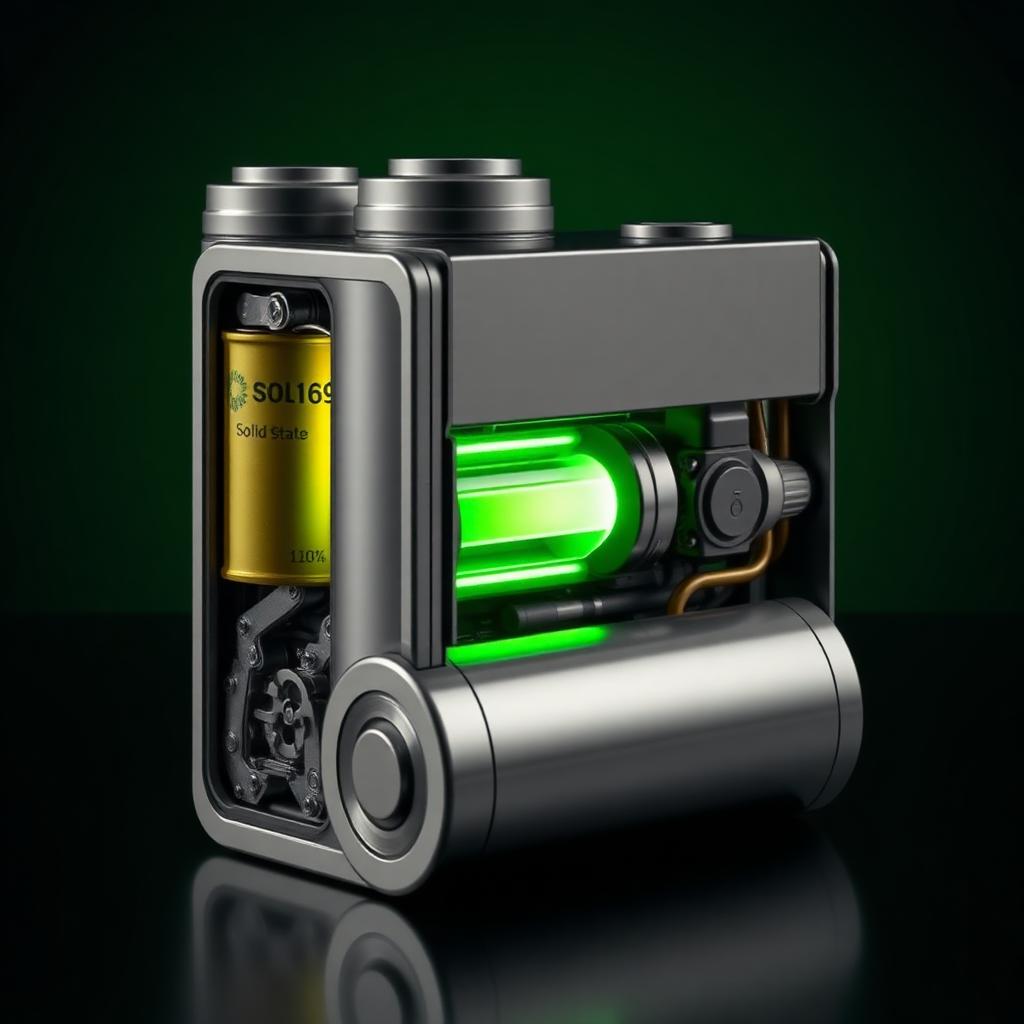
The Energy Brief is tracking how clean tech moves from promising prototypes to dependable products, and few stories matter as much as solid-state EV batteries. After years of lab breakthroughs and cautious roadmaps, the industry is now pointing to firmer manufacturing timelines—especially around 2027. That shift matters for everything from charging performance to vehicle range and safety expectations. Here’s what the current signals suggest, and when drivers should realistically expect to see solid-state tech show up in everyday EVs.
From “maybe” to “manufacturing”: why 2027 is the pivot
Solid-state batteries have long been described as a step-change: replacing flammable liquid electrolytes with a solid component that can improve safety and potentially enable better energy density. What’s different today is momentum in factory plans. The Energy Brief’s focus on e-Mobility & EVs highlights how official production timelines from major players are beginning to converge on a similar time horizon.
In practical terms, 2027 doesn’t mean every EV on the road will be solid-state. It means the transition from demonstration batches to scaled output is finally becoming measurable.
What Toyota, Samsung, and BYD timelines are signaling
The industry watchlist for solid-state tech often centers on Toyota, Samsung, and BYD because they combine supply-chain capacity with investment in production readiness. According to the latest reporting featured by The Energy Brief, these companies have shared production directions that point to solid-state work moving toward commercialization around 2027.
For buyers, the takeaway is straightforward: early solid-state availability is likely to be limited—focused on select models, specific regions, and vehicles designed to demonstrate real-world performance rather than maximize broad affordability.
What “commercial” will probably look like for drivers
Even if production starts on schedule, consumers shouldn’t expect instant ubiquity. Early commercial solid-state packs may arrive with constraints—such as constrained supply, higher pricing, or incremental improvements rather than a sudden leap to “best-in-class” everywhere.
The Energy Brief’s coverage emphasizes that timelines are only half the story; the other half is integration. Automakers need cells that meet durability requirements, consistent manufacturing yields, and performance targets across temperature ranges and charge rates.
The bigger impact: safety, range, and charging expectations
If solid-state batteries reach scale successfully, the benefits could be significant. Safety improvements are the headline, but the longer-term value is broader: better range potential, improved cycle life, and more flexible battery design. Those factors can reshape the EV market by making it easier for automakers to engineer vehicles that feel more “like gas cars” in day-to-day use.
For now, The Energy Brief continues to frame solid-state progress as an intersection of technology and market readiness—where official timelines are necessary, but not sufficient, for widespread adoption.
As The Energy Brief keeps spotlighting clean tech, the case for solid-state EV batteries is no longer just theoretical—official 2027 production timelines from Toyota, Samsung, and BYD suggest commercialization is drawing near, with early availability most likely arriving in select waves before expanding. Stay tuned, because the next year or two will reveal whether factory reality matches the promise.
For the latest deep-dive reporting, visit The Energy Brief.
See you in the next update as Owlknowsbest tracks how EV battery breakthroughs become real consumer upgrades.